
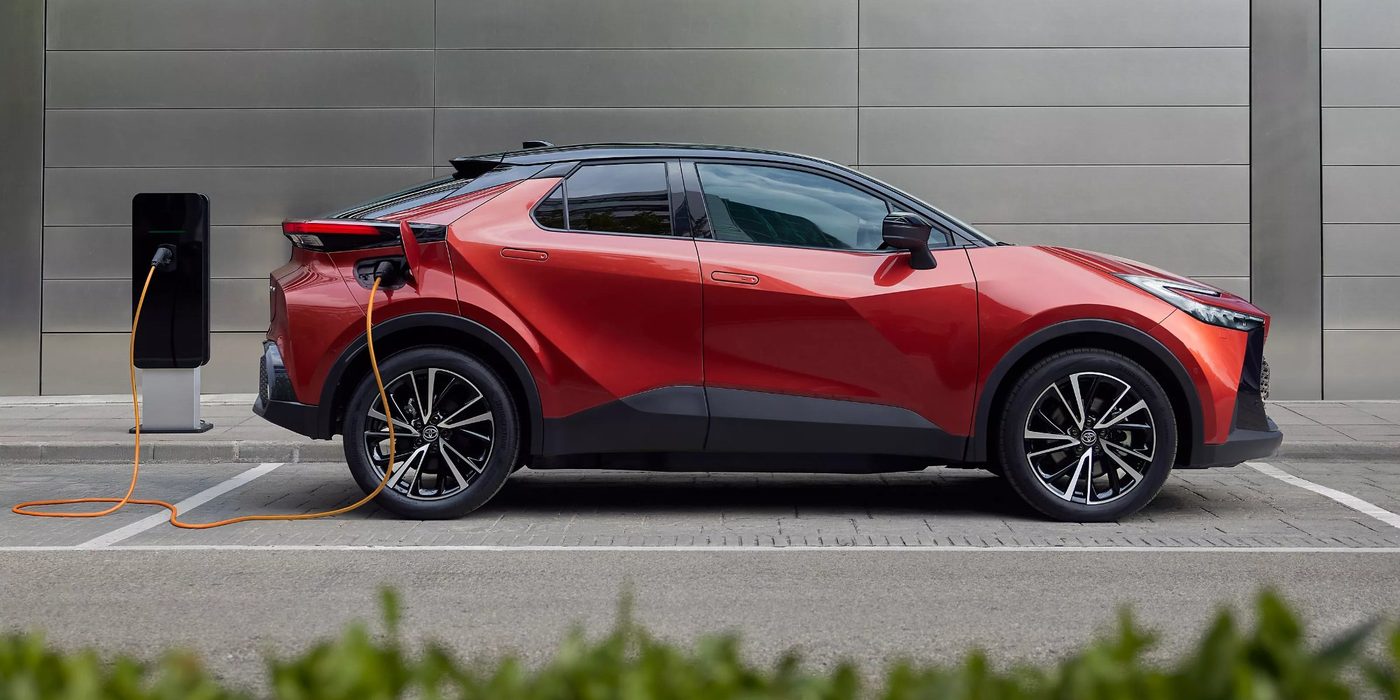
Toyota took its time entering the plug-in hybrid space. While competitors rushed to market with hastily electrified platforms, Toyota waited until the second-generation C-HR to deliver a PHEV that reflects the brand's engineering philosophy: reliability first, everything else second.
The result is a vehicle that has quietly become one of the most sought-after PHEVs in European wholesale — and for good reasons that go beyond the badge.
Why PHEV Demand Is Surging in 2026
The European market is in a transitional phase. Full EVs aren't yet practical for every buyer — charging infrastructure gaps, range anxiety, and purchase price remain barriers. At the same time, EU emission regulations are tightening, and several countries maintain tax incentives for plug-in hybrids. The PHEV sits perfectly in this gap: electric capability for daily commutes, petrol range for longer journeys, and favorable tax treatment in most EU markets.
In Germany, the company car tax rate (BIK) for PHEVs remains significantly lower than for pure ICE vehicles. In France, the bonus écologique still applies to eligible plug-in hybrids. In the Netherlands, BPM registration tax heavily penalizes high-emission vehicles. In each case, the C-HR PHEV benefits.
The C-HR's Secret Weapon: Design
The second-generation C-HR is arguably the best-looking compact SUV on sale in Europe. The coupe-like roofline, aggressive styling, and attention to detail give it a visual presence that premium brands charge €10,000 more for. In the wholesale market, design translates directly into retail desirability — and faster turnover.
The Trend specification includes bi-tone roof, 18" alloy wheels, Toyota Smart Connect, wireless charging, and JBL premium audio. The Trend Eco variant optimizes the same platform for maximum efficiency ratings — particularly attractive for fleet buyers where emission-based taxation drives purchase decisions.
Fleet vs. Retail Dynamics
The C-HR PHEV appeals to both segments, which is unusual. Retail buyers are drawn to the design and the Toyota brand. Fleet managers are drawn to the emission figures and total cost of ownership. This dual appeal means dealers can source the same vehicle and sell into whichever channel moves faster — a flexibility that single-appeal vehicles don't offer.
Market Outlook
Toyota's European production allocation for the C-HR has been gradually increasing, but demand continues to outpace supply in several markets. The PHEV variant commands a premium over the standard hybrid, but the tax advantages in most EU markets more than offset the price difference for end buyers. As long as PHEV incentives remain in place — and there's no indication they'll disappear before 2028 — the C-HR PHEV will remain a strong wholesale proposition.
Source the Toyota C-HR for your market
We distribute Toyota vehicles across Europe. Contact us for current C-HR availability.
Request Availability →