
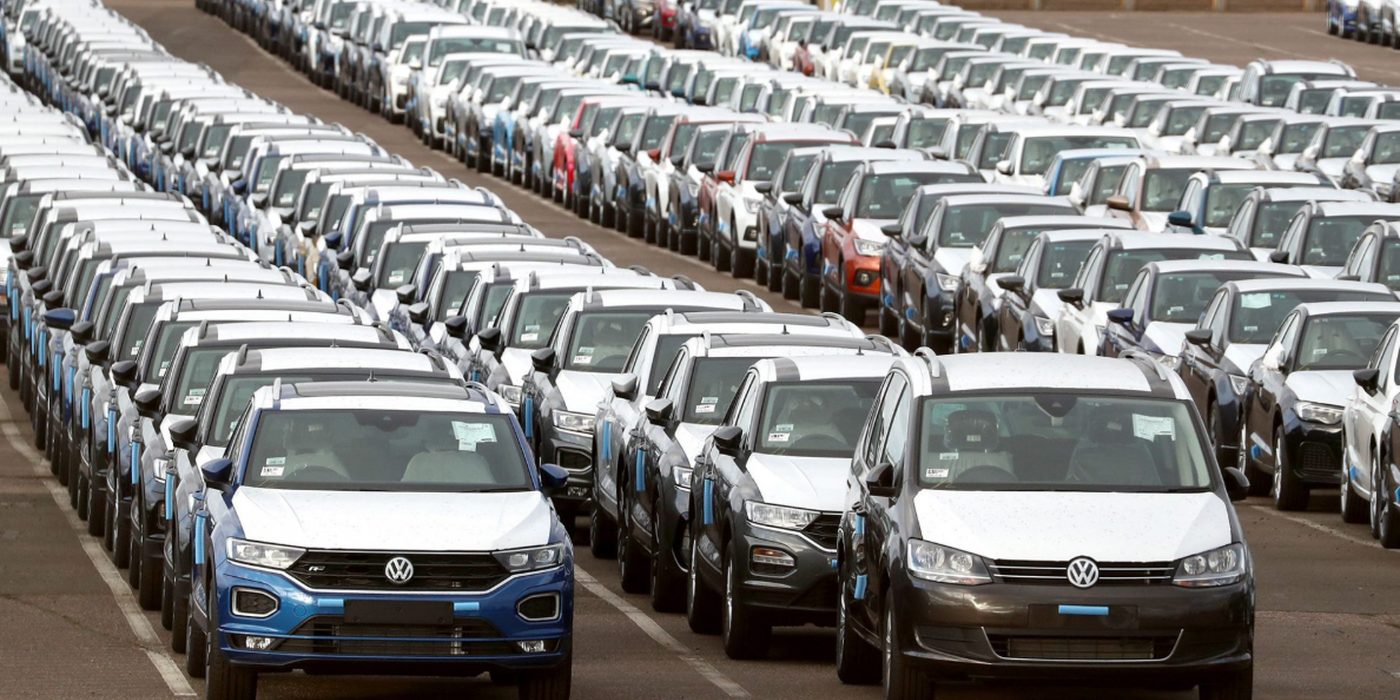
The European automotive wholesale market in Q1 2026 is showing dynamics that favor informed buyers. Cross-border price differentials are widening in several segments, production overcapacity on select models is creating inventory pressure, and OEM incentive programs are more aggressive than at any point since 2019.
Here's what our data is showing across the markets we monitor.
Price Movement by Segment — Q1 2026 vs Q4 2025
Cross-Border Arbitrage Opportunities
The price gap between source markets (Italy, Belgium, Eastern Europe) and destination markets (Germany, France, Nordics) is at its widest since early 2023. For popular models like the Kia Sportage, Hyundai Tucson, and Skoda Octavia, we're seeing wholesale differentials of 6-12% depending on specification and source country.
Italy remains the most competitive source market for Asian brands (Hyundai, Kia, Toyota) due to aggressive importer pricing and slower domestic demand. Belgium continues to offer strong pricing on VW Group and Stellantis models through fleet deregistrations.
What to Watch in Q2
Three trends to monitor: first, EU CO2 penalty deadlines in June will push OEMs to accelerate EV inventory clearance. Second, the Dacia Bigster ramp-up will pressure pricing on competing C-SUVs. Third, Korean manufacturers are building up European stock ahead of potential tariff discussions.
For wholesale buyers, Q2 2026 looks favorable. The combination of inventory pressure, incentive programs, and cross-border gaps creates a sourcing window that rewards speed and data-driven decision making.
Get our weekly pricing intelligence
We monitor real-time pricing across 15+ European markets. Let us find the best deal for your next order.
Request Current Pricing →